
Sayid Bnefsi
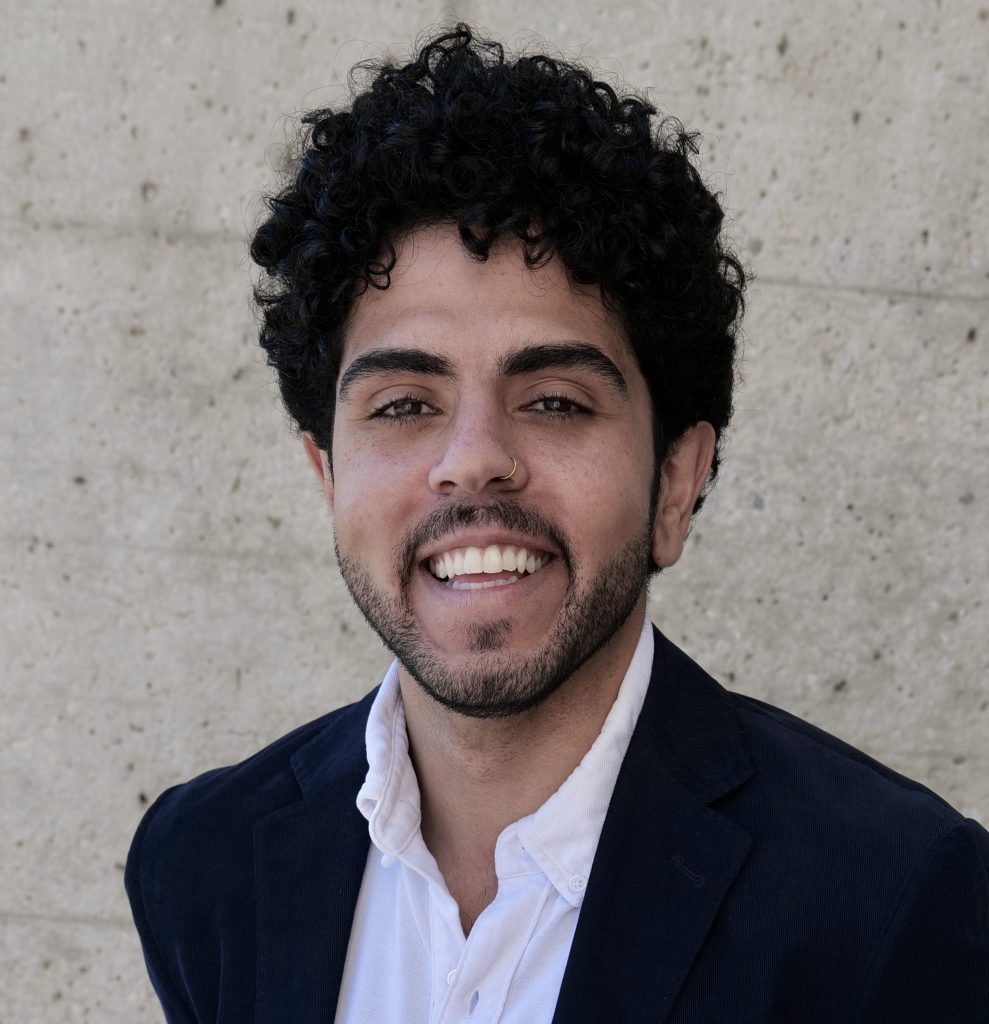
sayid bnefsi
about
Hello!
I am a law and philosophy scholar. I am based in New York City, and I work at Fairfield University as an Assistant Professor of Philosophy.
In 2024-25, I did a postdoctoral fellowship at the University of Neuchâtel in Switzerland. In 2023, I did a predoctoral fellowship at the University of Salzburg in Austria. In 2024, I finished the JD/PhD program at UC, Irvine.
work
The Difference of Differential Punishment, in 19 Criminal Law and Philosophy 421 (2025) (Article)
Willful Ignorance in Law and Epistemology, in 204 Synthese 171 (2024) (Article)
Compensatory Preliminary Damages: Access to Justice as Corrective Justice, in 27 CUNY Law Review 70 (2024) (Note)
Future Bias and Regret, in David Jakobsen, Peter Øhrstrøm & Per Hasle (eds.), Logic and Philosophy of Time 1 (2023) Aalborg: Aalborg University Press (Chapter)
Epistemic Isomorphism, in 53(4) Metaphilosophy 543 (2022) (Article)
Great Risks from Small Benefits Grow, in 49 Philosophia 603 (2021) (Essay)
The Argument from Sideways Music, in 9(1) Thought: A Journal of Philosophy 64 (2020) (Essay)
Future Bias and Presentism, in David Jakobsen, Per Hasle & Peter Øhrstrøm (eds.), The Metaphysics of Time 281 (2020) Aalborg: Aalborg University Press (Chapter)
B-Theory and Time Biases, in Patrick Blackburn, Per Hasle & Peter Øhrstrøm (eds.), Logic and Philosophy of Time 41 (Vol. 2) (2019) Aalborg: Aalborg University Press (Chapter)
research
In my research, I explore philosophical questions about law. I am especially interested in questions about the moral agency of parties to crimes that have an anomalous structure, where what a person intends, knows, does and causes deviate in some sense and yet merge as criminal misconduct in another, challenging traditional notions of responsibility, culpability, and liability, and the relationships between them. In this connection, I am especially interested in errors, ignorance, luck, losses of control, overdetermination, and other such imperfections of agency that challenge elemental parts of criminal law; I use philosophical theorizing and primary sources of law to reconstruct solutions to such challenges that track universal ideas of blame, desert, and legal justification.